It’s always the same story: your TV signal is perfectly fine all day, and then the moment your favourite show hits its most dramatic scene, the screen glitches, freezes, or drops out entirely. It never seems to happen during the ads — only when you’re trying to relax. And while it feels like bad luck, there’s usually a real reason behind it.
Sometimes it comes down to equipment quality, environmental interference, or even the way your home is wired. In many cases, reviewing your setup or getting help from professionals who handle antenna installations Sydney residents rely on can quickly pinpoint the issue. But before you assume the worst, it helps to understand what’s actually happening behind the scenes.
Here are the most common reasons TV reception fails at the most inconvenient moments.
Weather Has More Influence Than You Think
Bad weather doesn’t need to be extreme to mess with your TV signal. Even light rain, strong wind, or high humidity can disrupt transmission pathways or weaken the signal picked up by your antenna.
Weather can affect TV reception by:
- Bending or scattering signal waves
- Causing temporary interference
- Moving your antenna slightly out of alignment
- Increasing moisture in cables or connectors
That’s why you’ll often notice reception issues during storms or just before they roll in.
Your Antenna May Not Be Positioned Correctly
Antenna placement is surprisingly sensitive. Even small shifts in angle or height can be the difference between a strong and weak signal. Over time, wind, ageing hardware, or roof movement can alter your antenna’s position without you realising.
Symptoms of poor positioning include:
- Random picture dropouts
- Channels disappearing and reappearing
- Pixelation during specific times of day
Correct positioning ensures your antenna receives the strongest possible broadcast signal.
Interference Inside Your Home Plays a Big Role
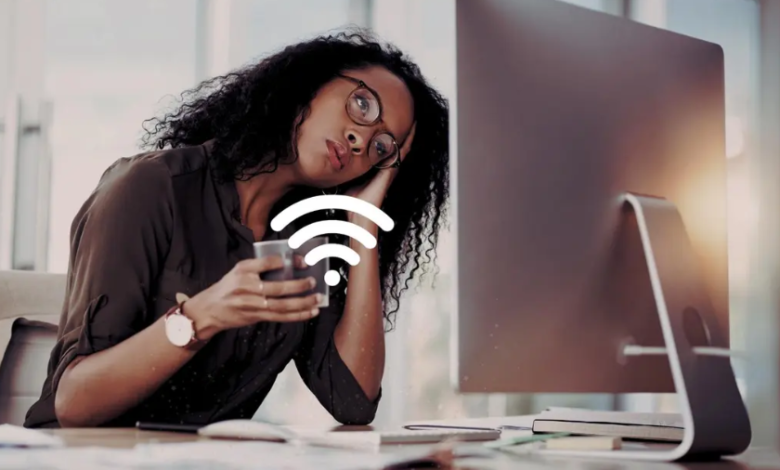
We tend to blame the broadcast tower, but many reception issues happen inside the home. Household electronics can create interference that interrupts TV signals.
Common troublemakers include:
- Wi-Fi routers
- LED lights
- Power boards
- Microwave ovens
- Cordless phones
If your TV glitches when certain devices turn on, it’s likely interference from within your home.
See also: Dental Innovations: Pioneering Techniques for a Healthier Smile
Old or Damaged Cables Can Weaken Your Signal
Coaxial cables wear out over time. Bends, corrosion, moisture, and loose fittings can all degrade the signal before it reaches your TV. Even tiny damage can reduce picture quality significantly.
Signs your cables may be the culprit:
- Reception worsens when the cable is touched
- Static or pixelation
- The problem gets worse over months
Replacing old cables often makes an immediate difference.
Peak Usage Times Affect Broadcast Quality
Sometimes the issue isn’t your setup at all — it’s the broadcast itself. During peak hours (usually evenings), signal quality may fluctuate due to:
- Increased electrical interference
- More demand on nearby infrastructure
- Environmental conditions that shift as temperatures drop
This is why reception problems often happen at night, especially around dinnertime.
Trees, Buildings, and New Construction Can Block Signals
Objects between your antenna and the broadcast tower can cause signal reflections or weaken the line of sight. Trees grow over time, buildings go up in the neighbourhood, and these changes can suddenly interfere with a signal that used to work perfectly.
Obstructions may cause:
- Intermittent dropouts
- Channel distortions
- Seasonal reception problems (e.g., trees in bloom)
If your area has changed recently, this could be a major factor.
Indoor Antennas Are Convenient — But Not Always Reliable
Indoor antennas are popular, but they’re far more sensitive to interference and obstructions than outdoor antennas. Their signal strength can fluctuate based on:
- Weather
- Room layout
- Electronic devices
- Wall thickness
- Window placement
If reception only drops in certain rooms, the antenna’s location is probably the issue.
Your TV Might Need a Retune
Broadcasters occasionally modify their frequencies or make transmission adjustments. When this happens, your TV might hold onto outdated channel data, causing reception problems. A simple retune can refresh the signal map and solve the issue entirely.
Retuning helps when:
- Some channels disappear
- New channels don’t show up
- Reception worsens suddenly for no clear reason
It’s a quick fix many people forget to try.
Multiple Small Issues Add Up
Often, reception problems aren’t caused by one dramatic issue but by several small ones working together. A slightly misaligned antenna plus an old cable plus some internal interference can create a storm of unpredictable glitches.
Addressing even one of these factors can significantly improve your picture quality.
You Don’t Have to Put Up With Bad Reception
TV reception doesn’t have to be unreliable. A few simple checks can make a huge difference:
- Retune your TV
- Inspect or replace old cables
- Reduce nearby interference
- Reposition your antenna
- Trim or avoid signal-blocking obstacles
- Consider an upgrade if your antenna is outdated
With the right setup, your TV should work smoothly — especially during the moments you care about most.