In the era of digital transformation, businesses rely heavily on data storage, management, and processing. The IDC data center building is central to this technological ecosystem, providing secure, reliable, and efficient facilities for housing critical IT infrastructure. Understanding the architecture, components, and advantages of an IDC (Internet Data Center) is crucial for businesses aiming to enhance their digital operations.
What is an IDC Data Center Building?
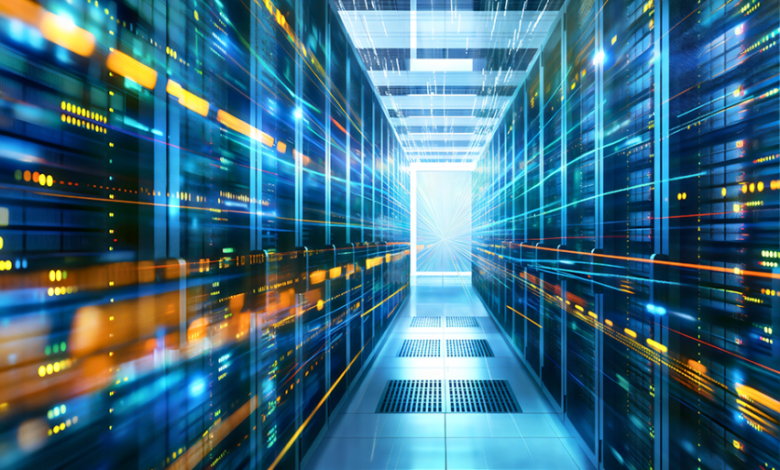
An IDC data center building is a specially designed facility that houses servers, storage systems, networking equipment, and other IT infrastructure essential for business operations. Unlike conventional office buildings, IDC data centers are engineered with advanced electrical, mechanical, and structural systems to ensure uninterrupted operation. These centers provide a controlled environment with high levels of security, cooling, and redundancy, minimizing the risk of downtime and data loss.
See also: The Benefits of Speech Therapy at Home
Key Features of an IDC Data Center Building
1. Robust Structural Design
IDC buildings are constructed with reinforced materials capable of withstanding natural disasters, such as earthquakes, floods, and storms. Structural integrity is a priority to ensure the safety of both data and personnel.
2. Redundant Power Supply
Power reliability is critical for continuous operation. IDC data centers typically feature dual power grids, backup generators, and uninterruptible power supply (UPS) systems to maintain uninterrupted electricity in case of power outages.
3. Advanced Cooling Systems
High-density IT equipment generates significant heat. IDC data center buildings employ advanced cooling mechanisms such as precision air conditioning, liquid cooling, and airflow management systems to maintain optimal temperature and prevent overheating.
4. Security Measures
Security is multilayered, combining physical and digital protocols. Physical security includes biometric access, surveillance cameras, and mantraps, while cybersecurity measures safeguard against unauthorized network access and potential breaches.
5. Fire Protection Systems
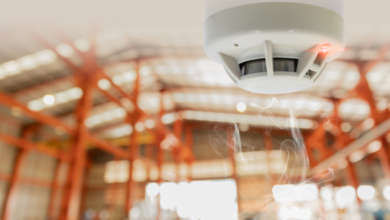
IDC buildings integrate fire detection and suppression systems, including smoke detectors, sprinkler systems, and gas-based fire extinguishing solutions to prevent fire-related disasters.
6. Scalability
IDC data centers are designed for scalability, allowing businesses to expand their infrastructure as demand grows without compromising performance or security.
7. Network Connectivity
A high-speed, low-latency network backbone ensures seamless data transmission. IDC buildings often have multiple redundant connections to ISPs and cloud services for continuous connectivity.
Benefits of an IDC Data Center Building
- High Reliability: With redundant power, cooling, and networking systems, IDC buildings ensure 24/7 operation.
- Data Security: Advanced security protocols protect sensitive data from physical and cyber threats.
- Cost Efficiency: Centralized IT infrastructure reduces operational costs compared to dispersed in-house setups.
- Compliance: Many IDC buildings comply with industry standards and regulations, aiding businesses in maintaining legal and operational compliance.
- Disaster Recovery: Equipped with robust disaster recovery mechanisms, IDC data centers minimize downtime in emergencies.
Design Considerations for an IDC Data Center Building
When planning an IDC data center building, several factors are essential:
- Location: Accessibility, connectivity, and risk factors like flood zones or seismic activity must be considered.
- Capacity Planning: Proper estimation of current and future IT requirements ensures efficient space utilization.
- Energy Efficiency: Implementing green technologies, such as energy-efficient cooling and renewable power sources, reduces operational costs and carbon footprint.
- Modular Design: Modular components allow phased expansion without major disruptions.
FAQs About IDC Data Center Buildings
Q1: What is the difference between an IDC data center building and a regular data center?
A: An IDC data center building is designed with specialized infrastructure for high reliability, security, and scalability, whereas a regular data center may not meet these stringent standards.
Q2: How is data security managed in IDC data center buildings?
A: Security is enforced through multi-layered physical controls, biometric access, surveillance, and robust cybersecurity protocols.
Q3: Can an IDC data center building handle natural disasters?
A: Yes, these buildings are engineered to withstand earthquakes, floods, and storms, with backup systems to maintain operations during emergencies.
Q4: How scalable is an IDC data center building?
A: IDC buildings are highly scalable, allowing additional server racks, storage, and networking equipment to be integrated as the business grows.
Q5: Why is cooling critical in an IDC data center building?
A: Servers generate significant heat, and without proper cooling, equipment may overheat, leading to performance issues or permanent damage.
Conclusion
An IDC data center building is more than just a storage facility—it is the backbone of modern digital operations. With its robust design, advanced power and cooling systems, comprehensive security, and scalability, it provides businesses with the reliability and efficiency needed to thrive in a technology-driven world. Investing in a high-quality IDC data center building ensures operational continuity, data security, and long-term growth, making it an indispensable asset for any organization looking to strengthen its digital infrastructure.